Dear reader,
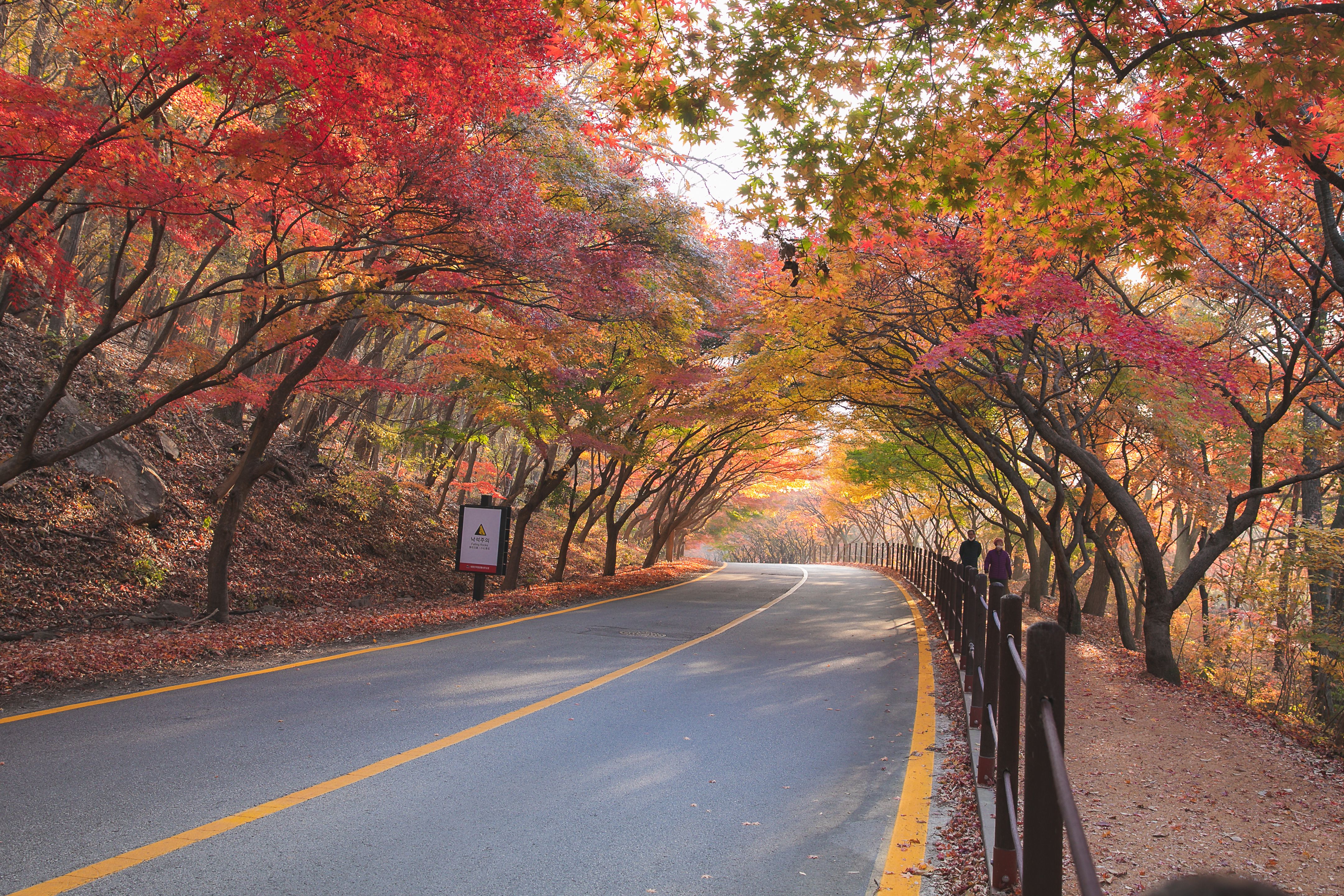
“When’s the best time to visit Korea?” It’s the question friends visiting from abroad ask me every single time they start planning a trip. Cherry blossoms in spring, energy in summer, snow-covered palaces in winter, Korea has a real case to make in every season, which makes picking just one answer genuinely hard. But if I had to choose, I wouldn’t hesitate. I’d choose autumn. Here’s why.
Why autumn wins
If you’ve been through a Korean summer, you already know. The stickiness of monsoon season, followed by heat and humidity that can feel suffocating. Spring is beautiful, but during cherry blossom season you’re jostling through crowds wherever you go. Winter has its own magic, snow settling over palace rooftops, but the biting cold makes it hard to stay outside and walk for long.

Autumn sidesteps all of it. The humidity lifts, the sky turns unusually clear and high, and the air settles into that crisp, walkable coolness. From September through November, daytime temperatures in Korea generally range from about 10 to 25 degrees Celsius (50 to 77°F), ideal weather for being outdoors. And unlike spring or summer, both crowds and prices for flights and hotels tend to ease up. Peak foliage season in October does draw some crowds, but September and November are noticeably quieter.
Autumn moves from north to south

Korea’s fall colors don’t arrive all at once. They spread like paint, starting in the northern mountains and slowly working their way south.
- Late September: The first color appears in high-elevation northern areas like Seoraksan.
- Mid-October: Mountains around Seoul and central Korea start turning. Places close to Seoul, like Bukhansan and Nami Island, hit their peak around this time.
- Late October to early November: Foliage in central Seoul reaches its peak. The layering of Gyeongbokgung’s red walls with golden ginkgo leaves is the single image most people associate with Korean autumn, and this is exactly when it happens.
- Mid-November: Color reaches Busan, the southern provinces, and finally Jeju, closing out the season.
Time it right and a single trip can let you chase peak foliage across several regions. Just keep in mind that the temperature swings between day and night get significant, especially in November, so layering is essential.
The scene not to miss: palaces and ginkgo trees

If I had to pick one image that captures Korean autumn, it would be the bright yellow ginkgo leaves falling over the red tiled roofs and walls of a palace. Walk through Gyeongbokgung or Changdeokgung in autumn and you’ll catch that exact moment where traditional architecture and the season’s color overlap. It photographs beautifully, but walking through it in person is something else entirely.
Something to plan around
If you’re planning an autumn trip in 2026, there’s one date worth keeping in mind. Chuseok, Korea’s harvest holiday, falls on October 4 to 6. It’s similar to Thanksgiving in the US, and during this stretch, a huge number of Koreans travel to their hometowns or take trips of their own. Popular foliage spots can get considerably more crowded than usual, so if you can, plan your trip around this holiday rather than during it. Weekday visits are also noticeably calmer than weekends, and much better if you want breathing room for photos.
So, when exactly in autumn
If I had to narrow it down further, I’d point you to mid-October through early November. That’s when foliage in Seoul and central Korea hits its peak, and it’s still before the real winter cold sets in, so walking around all day stays comfortable. If Seoul is the center of your trip, aim for this window.
There’s no single right answer, of course. If you want fewer crowds, September or late November are solid choices. If you’re hoping to catch the southern regions too, giving yourself until mid-November gives you more room. But one thing is certain. Not the humidity, not the crowds, not the cold, but the season when Korea looks and feels its best for walking around in. That’s autumn.
See you in the next letter.
From Seoul, whigoori

Leave a Reply